Nine Months Just Became Nine Weeks — How the Marketplace Model Is Rewriting K-Beauty's Launch Playbook
Ulta Beauty's marketplace track compressed shelf-launch timelines from nine months to nine weeks. That's not a speed upgrade — it inverts the order of operations for launch strategy.
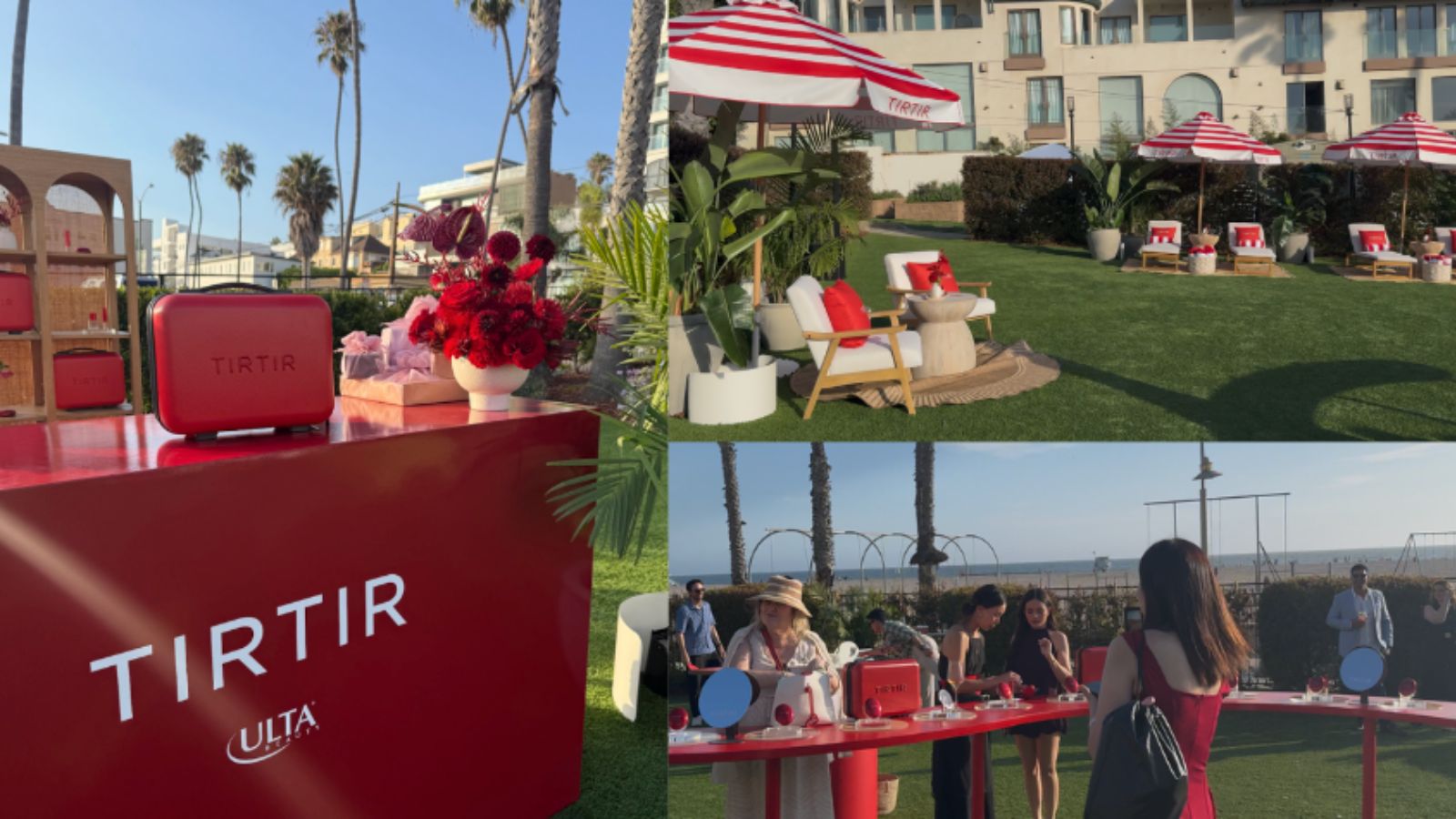
Getting a new brand onto a major U.S. retailer's physical shelf typically takes nine months or more — buyer meetings, category review, logistics, planogram approval. In 2026, Ulta Beauty's marketplace track, built with K-Beauty World, compressed that to as little as nine weeks. That's not a speed improvement. It inverts the order of operations for launch strategy itself.
Validation now happens on the marketplace first
Ulta launched 23 new brands in Q1 2026 alone, heavily weighted toward wellness- and Gen Z-oriented skincare. At the same time, K-Beauty World brought 17 Korean beauty brands onto Ulta's marketplace — a track designed to get newly trending Seoul products in front of U.S. consumers far faster, and at far lower risk, than a physical shelf launch allows. Brands that perform well earn a shot at expanded in-store distribution.
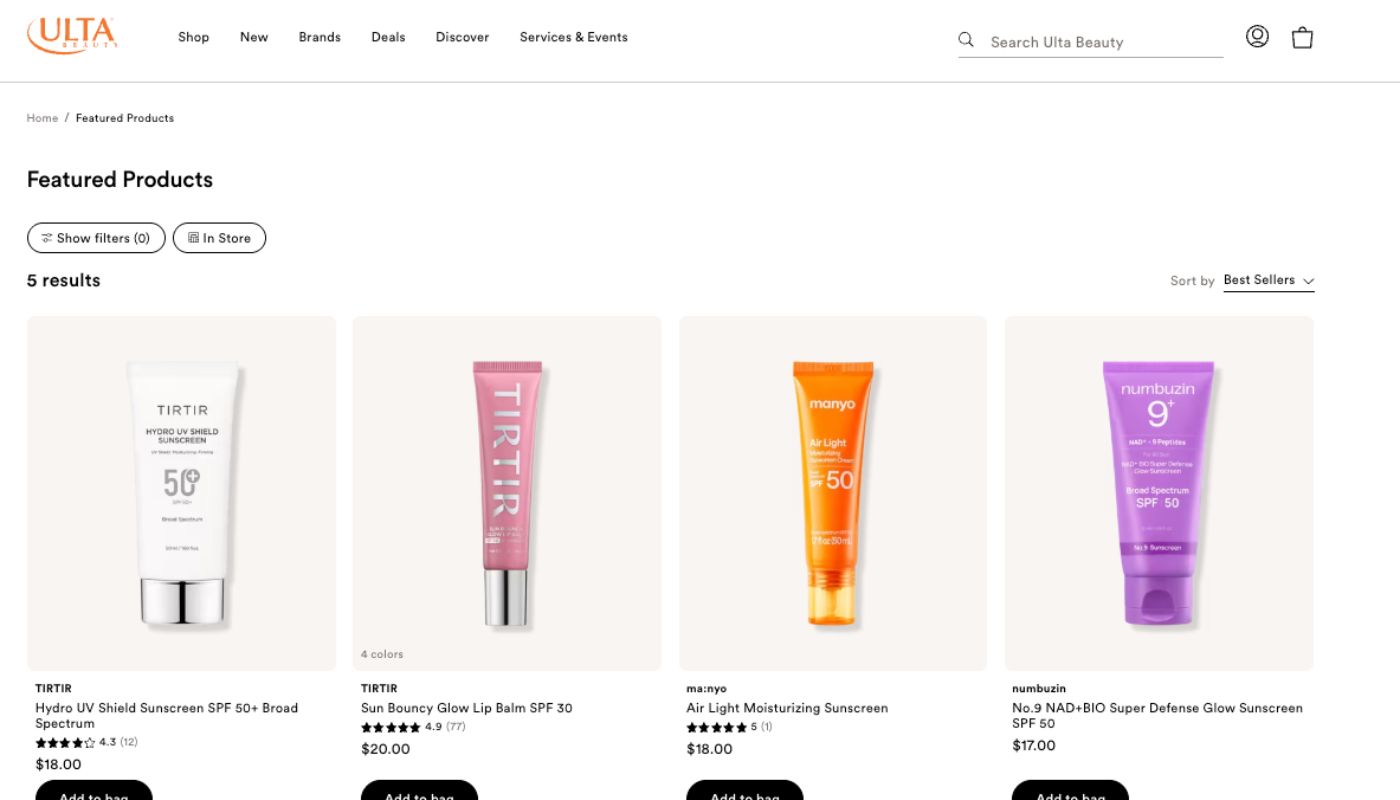
The first move in launch strategy has shifted from "which store do we get into" to "what do we prove on the marketplace first." Brands lower their upfront capital risk while walking into offline negotiations with real U.S. consumer data — reviews, repurchase rate, search volume — already in hand. The catch: marketplace visibility alone doesn't guarantee discovery. A plan to generate early reviews and search traffic has to be ready the moment the listing goes live, not after.
Ulta's 2026 roster has a clear shape
Beauty of Joseon, Anua, and Some By Mi lead the K-beauty additions. Pattern Beauty, Mielle, and Bread Beauty lead Black-owned. K18 and Color Wow lead a haircare-prestige push that's notably heavier than Sephora's. This isn't random — it reflects a deliberate category strategy.
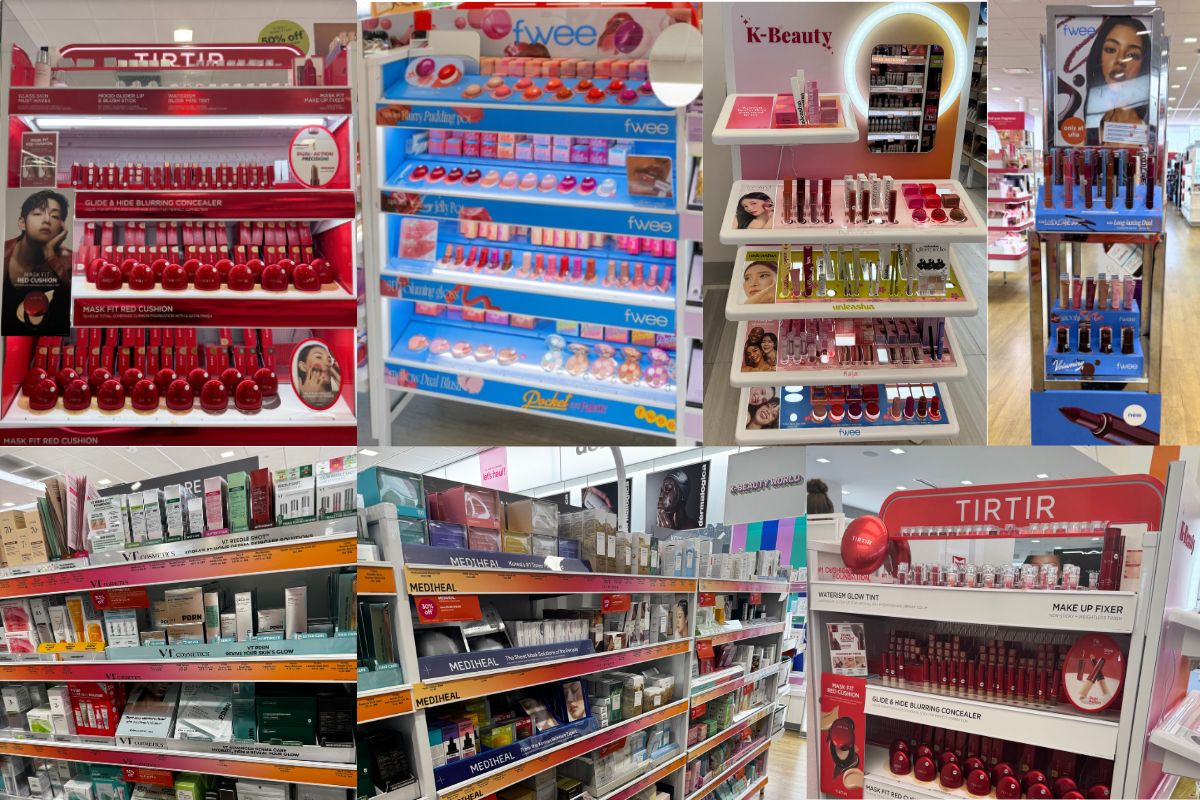
A K-beauty brand pursuing an Ulta listing shouldn't lead with "we're popular in Korea." It should lead with exactly which category gap Ulta is currently trying to close — wellness, Gen Z, prestige haircare — and how precisely the product fills it. That's a far more persuasive pitch to a buyer than general momentum.
Speed cuts both ways
Being visible nine weeks after listing means a brand has to generate its own early reviews, ratings, and search data inside that same nine weeks. Review campaigns, influencer seeding, and early-traffic work that used to have months of runway under a shelf-launch model now have to run in parallel with the listing itself.
Early trust-building is no longer a follow-up task that happens after shelf placement gets confirmed — it's a prerequisite that has to be fully built out by launch day. The workstream that used to run separately from product development and buyer negotiation now has to run alongside it from day zero.
The marketplace model compressing nine months into nine weeks is unambiguously an opportunity for K-beauty. But a shorter window cuts both ways — brands that can't generate trust signals fast enough inside it get buried even faster than before. The question in 2026 isn't how fast you get on the shelf. It's how fast you can prove yourself once you're there.
- K-Beauty World Expands Assortment on Ulta Beauty Marketplace With 17 Viral Korean Beauty Brands — PR Newswire
- Ulta Teams Up with K-Beauty World to Bring Korean Brands to the Masses — Global Cosmetic Industry
- Beauty Retail Watch Q1 2026 — BeautyMatter
- Diving into Ulta's Q1 2026 results: Trends and opportunities for beauty brands — Personal Care Insights
- All the Beauty and Wellness Retail Expansions of 2026 — WWD
- New Ulta Beauty Brands 2026 — Pipeline Tracker — Gravel AI