Mega Reach Is Out, Nano Conversion Is In — What Beauty Influencer Marketing Actually Measures in 2026
Nano and micro creators now outperform mega accounts on engagement by a wide margin. Follower count stopped being the metric that decides a beauty influencer deal.
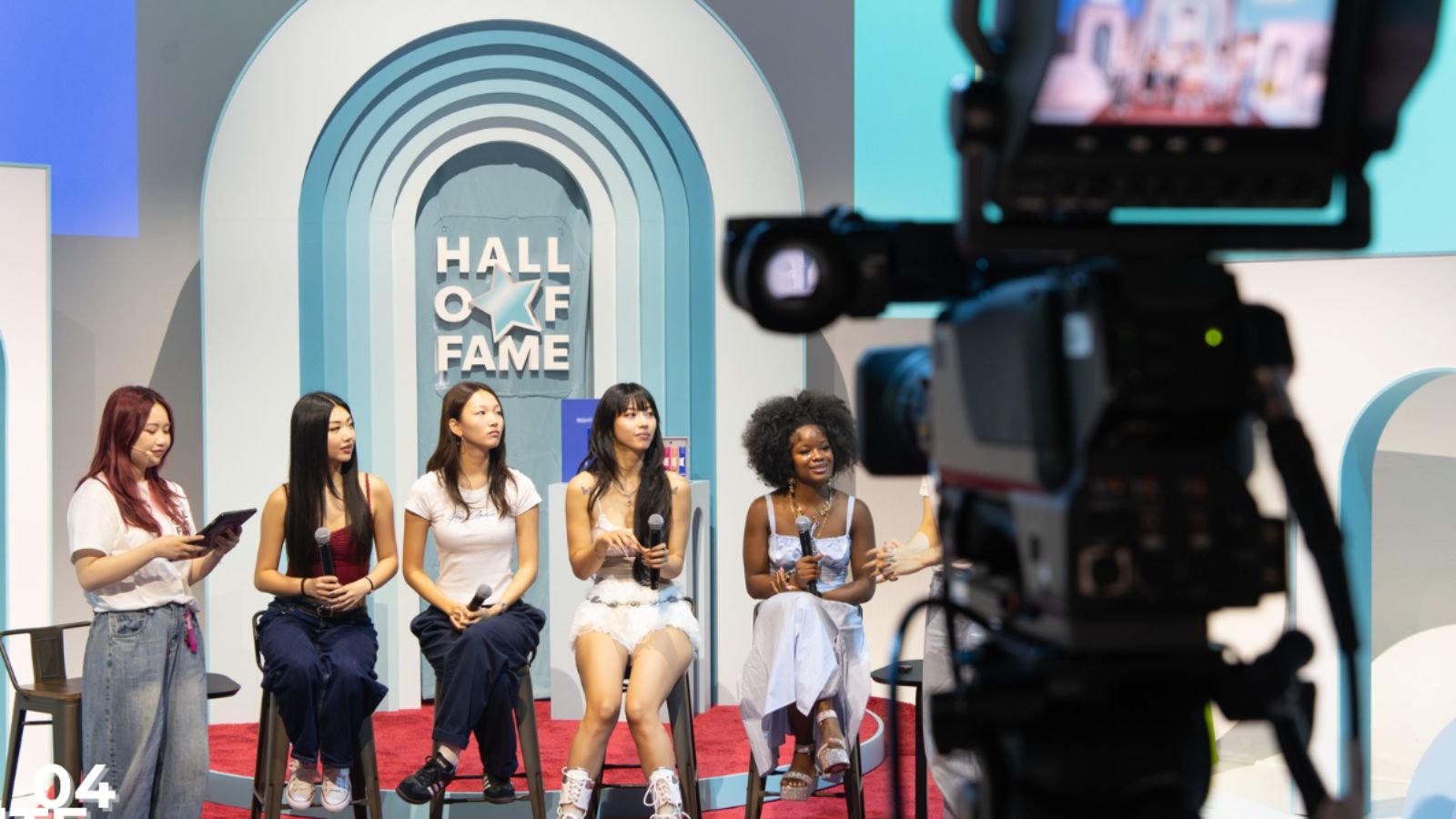
Influencer marketing stopped being optional in beauty years ago. What changed in 2026 is what counts as success. Follower count no longer equals influence, and brands are writing contracts around what a collaboration actually converts — not how many people it reached. The numbers back this up, and any campaign plan built before understanding the shift is already out of date.
Nano and micro creators are doing the heavy lifting
In the U.S. beauty category, micro-influencers (10K–100K followers) and nano-influencers (1K–10K) now outperform mega accounts on engagement by a wide margin — up to 11.9% on TikTok, compared with under 1% for mega accounts. Cost follows the same pattern: $100–$1,000 per post versus $1,000–$10,000+ for mega influencers.
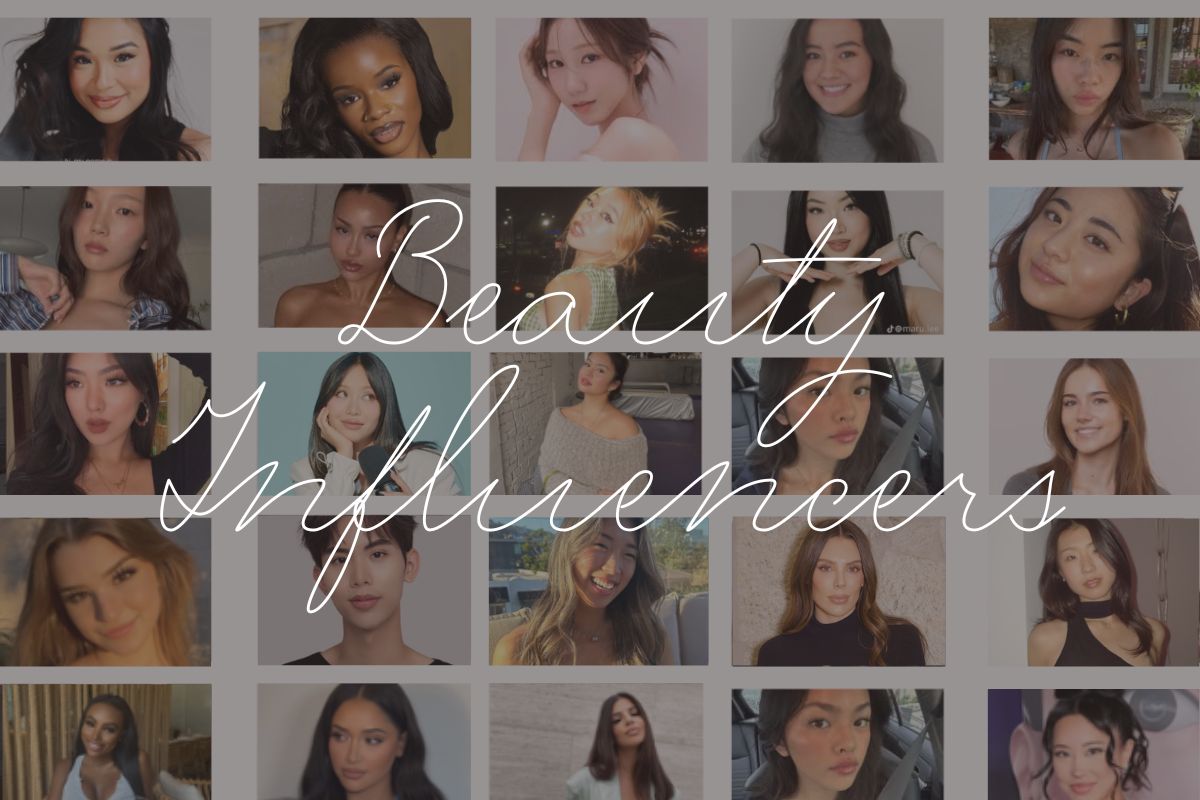
For a K-beauty brand entering the U.S. on a limited budget, a distributed roster of nano and micro creators beats a single high-profile, one-off collaboration on both engagement and cost. The trade-off is more partners to manage — which means seeding and outreach need to be systematized early, not improvised later.
Content is getting longer again
The 15-second viral clip that ruled 2023–2024 is giving ground. Brands are increasingly partnering with creators on 5–15 minute deep-dive reviews, ingredient breakdowns, and educational content — a sign that consumers now want to know why something works, not just that it looks good. Meanwhile UGC now outperforms brand-produced ads on every key metric, and gets a second life as paid creative through TikTok Spark Ads and whitelisting.
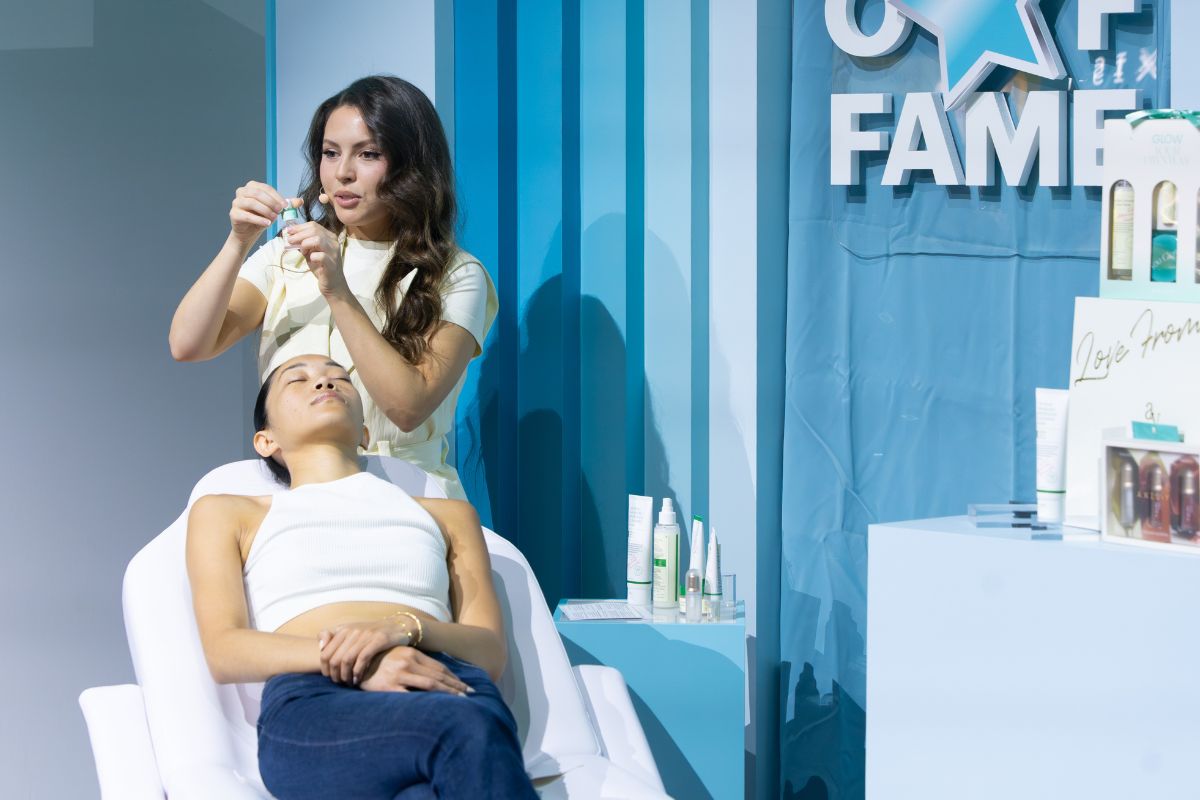
That shift actually favors K-beauty: a category built on ingredient stories and clinical data is well positioned for a market moving from showing to explaining. It's worth expanding collaborations with creators who can walk through efficacy claims — dermatologists, former formulation scientists — rather than chasing short-form virality alone.
Compensation has moved from exposure to conversion credit
Flat per-post fees used to be standard. Performance-based contracts are the norm now — brands tying pay to multi-touch attribution and actual revenue impact see an average return of $5.78 for every $1 spent. Add TikTok Shop's growth into a $2B+ beauty commerce platform, and a campaign that doesn't design a path from discovery to checkout is leaving money on the table.
Reframe the influencer budget as a stage in the funnel, not a reach-maximizing line item. Build shoppable pathways into the plan from day one, and negotiate conversion-linked incentives into contracts alongside the flat fee.
A strategy that hasn't absorbed these three shifts — distributed nano/micro collaboration, long-form educational content, conversion-linked pay — isn't behind the curve. By 2026 standards, it's already a generation behind it.
- Beauty and Skincare Influencer Marketing Trends and Tactics for 2026 — partnrUP
- Top TikTok Influencer Marketing Trends for 2026 — KOLSprite
- Influencer Marketing Trends: What Brands Need to Know in 2026 — Influee
- Influencer marketing trends 2026: Where smart brands are headed — Sprout Social
- Influencer Marketing Trends 2026: Performance Insights — Impact
- TikTok Influencer Marketing for Beauty Brands: A 2026 Playbook — Syncly