Beauty Pop-Ups Aren't About Being Seen Anymore — They're About Being Stayed In
Three thousand tickets to Ulta Beauty World 2026 sold out in 71 minutes. The more useful data point is which booths actually kept people there.
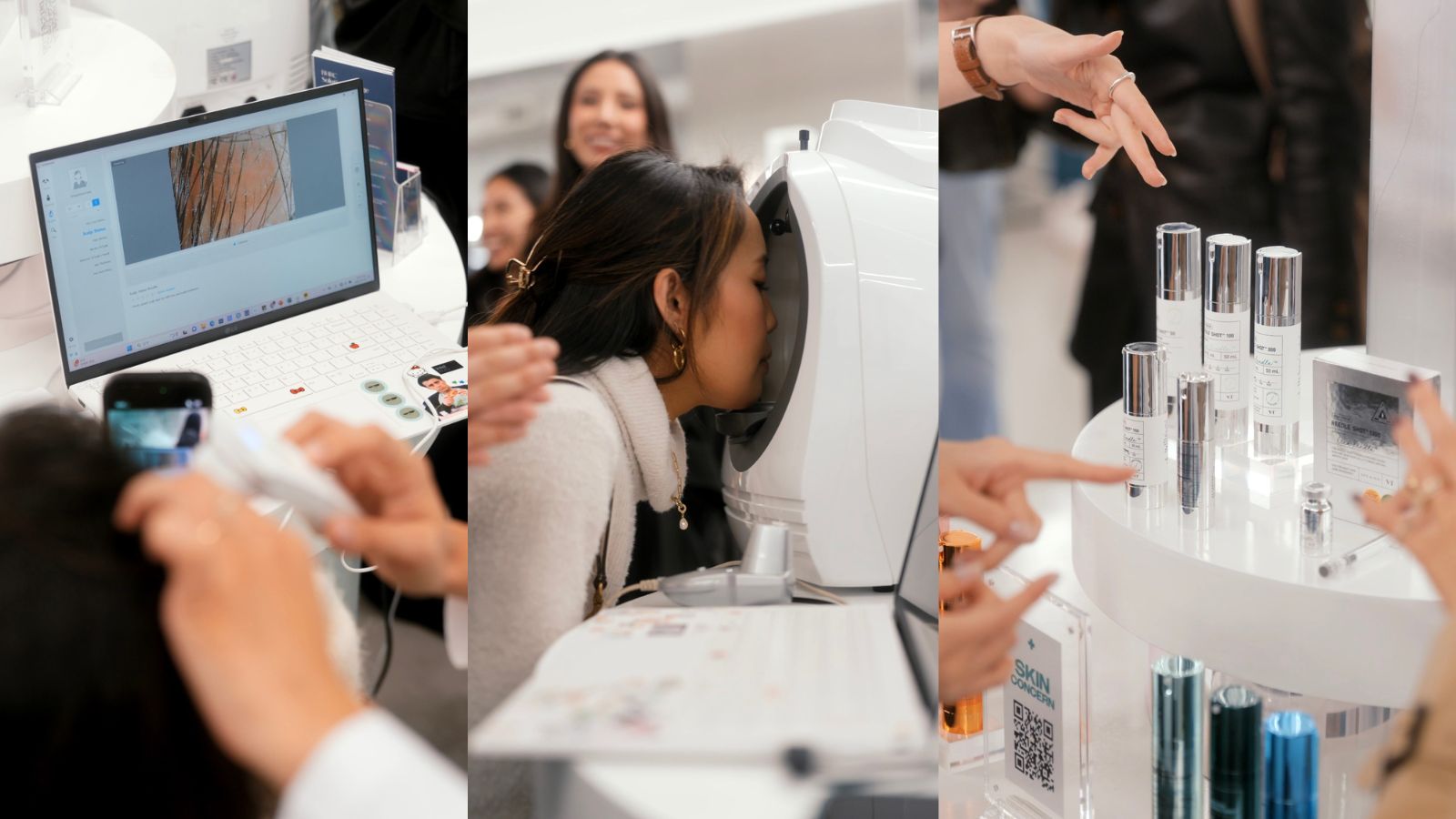
Three thousand tickets to Ulta Beauty World 2026 sold out in 71 minutes. Three million people competed for them. That number alone would suggest the event's lesson is about scale — but the more useful data point from this year's show is which booths actually kept people there once they walked in. By 2026, experiential retail's center of gravity has moved from building a beautiful space to engineering dwell time.
Give visitors something to do, not just something to see
At Ulta Beauty World 2026, the longest lines formed in front of booths that gave visitors a task, not the most elaborate interiors. L'ange built a game tied to its hair tools; DIBS Beauty parodied the DMV with a "Department of Blush" issuing a mock license; BYOMA turned skin-barrier education into a multi-step game called "Barrier Lab." All three asked visitors to physically do something, and the output was naturally shareable.
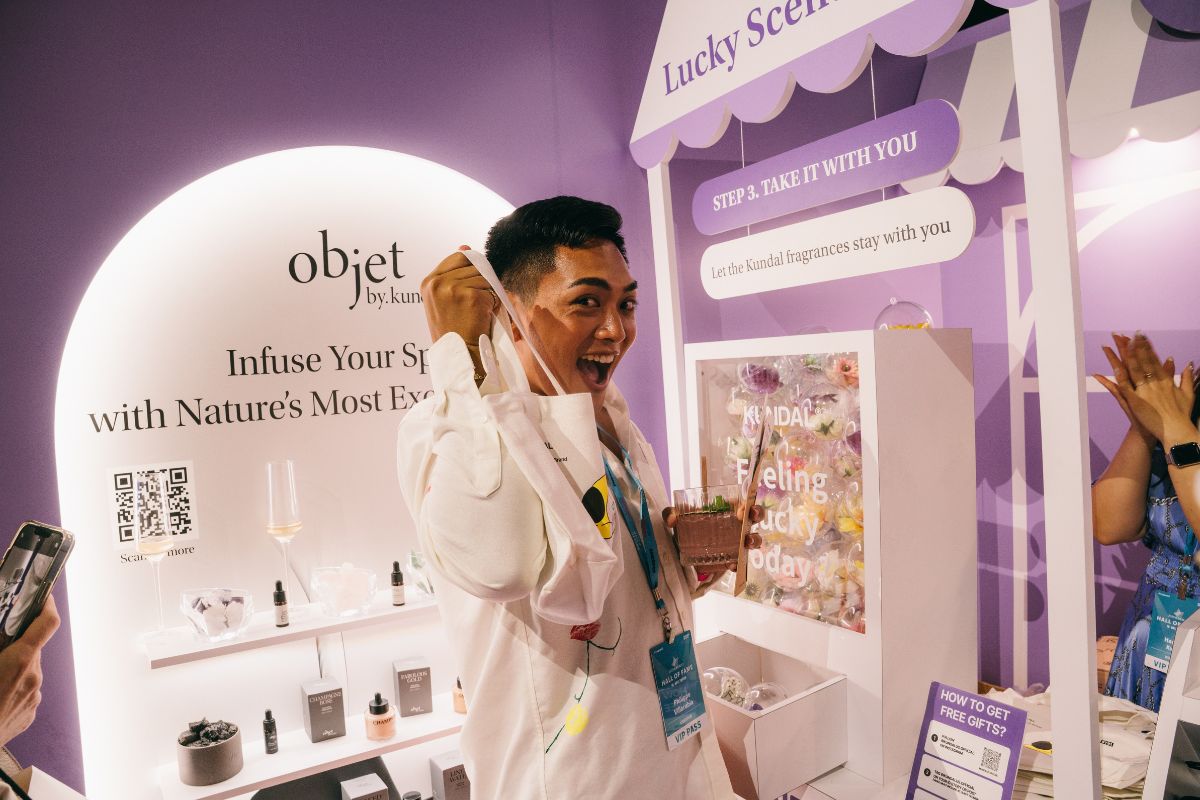
The planning question worth asking first isn't "what should visitors see here" — it's "what should visitors do here." A photo wall is an output, not a strategy. The participation path itself has to be engineered as a UGC-generation mechanism, so the content keeps circulating long after the booth comes down.
One message read in three seconds beats ten messages read in ten minutes
The underperforming booths at the same event shared a different problem: too much information, too many visual elements, and visitors couldn't tell what the brand actually did within three seconds. Essence pushed a single product contrast — "jelly vs. bouncy." Sunday Riley built its entire space around one aqua-toned theme tied to a single launch. The booths that committed to one concept left the stronger impression.
There's always a temptation to cram every product line and every message into one space. But deciding what to cut matters more than deciding what to add — especially for a K-beauty brand still building U.S. awareness, where betting on one hero product beats trying to say everything at once.
Humans still beat high-tech
Some booths introduced AI skin diagnostics and other digital tools, but the highest engagement consistently came from live demos, real-time consultations, and booths where the founder showed up in person. Booths featuring founders like Sunday Riley and Anastasia Soare drew measurably larger, more engaged crowds. Consumers want to connect with the person behind the product, not just the product.
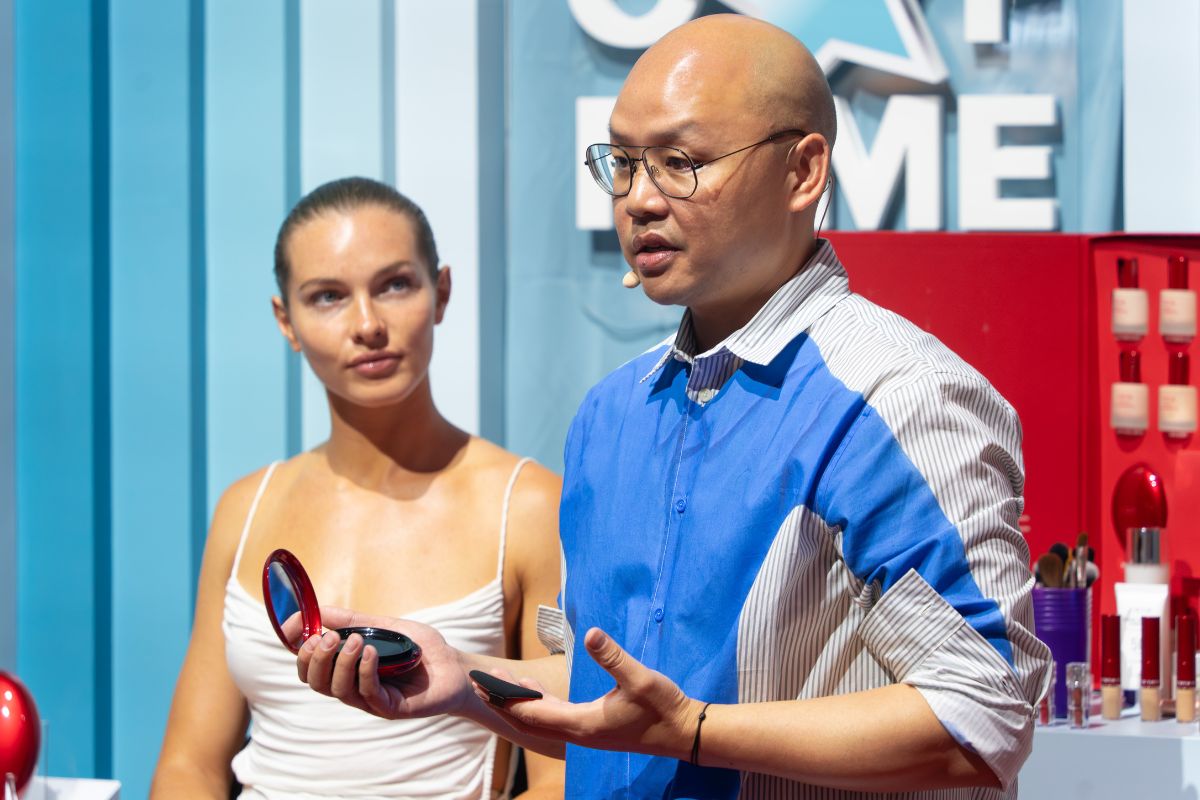
That argues for prioritizing trained on-site staff over technology spend, and for founder or key-figure storytelling wherever possible. Since K-beauty founders often can't be physically present in the U.S., it's worth designating a clear proxy — an esthetician, a well-known local creator, an education lead — to carry the story in their place.
Measuring pop-up ROI by foot traffic or follower growth alone is already a fading standard. The real metric in 2026 isn't how many people showed up — it's how long they stayed, and how much of that time turned into content someone else made for you. For K-beauty brands that have already won online, the next move is redesigning the pop-up from a place to announce into a place to prove.
- Ulta Beauty World 2026: 4 Key Trends Shaping the Future of Beauty Brand Experiences — 5W PR Agency
- Retail Beyond the Boutique: Where Shopping Meets Show-Stopping — BeautyMatter
- Spring 2026 Pop-Ups — BeautyMatter
- The new high-tech rules of beauty pop-ups — Cosmetics Business
- How Beauty Brands Win in 2026 — ClickZ
- Sephora Marketing Strategy (2026) — Business Model Analyst