72% Are Exhausted — In the Age of Beauty Burnout, Consumers Want Trust, Not Algorithms
72% of beauty consumers say they feel overwhelmed by the volume of new product launches — and the fatigue grows, paradoxically, the more precisely brands personalize.
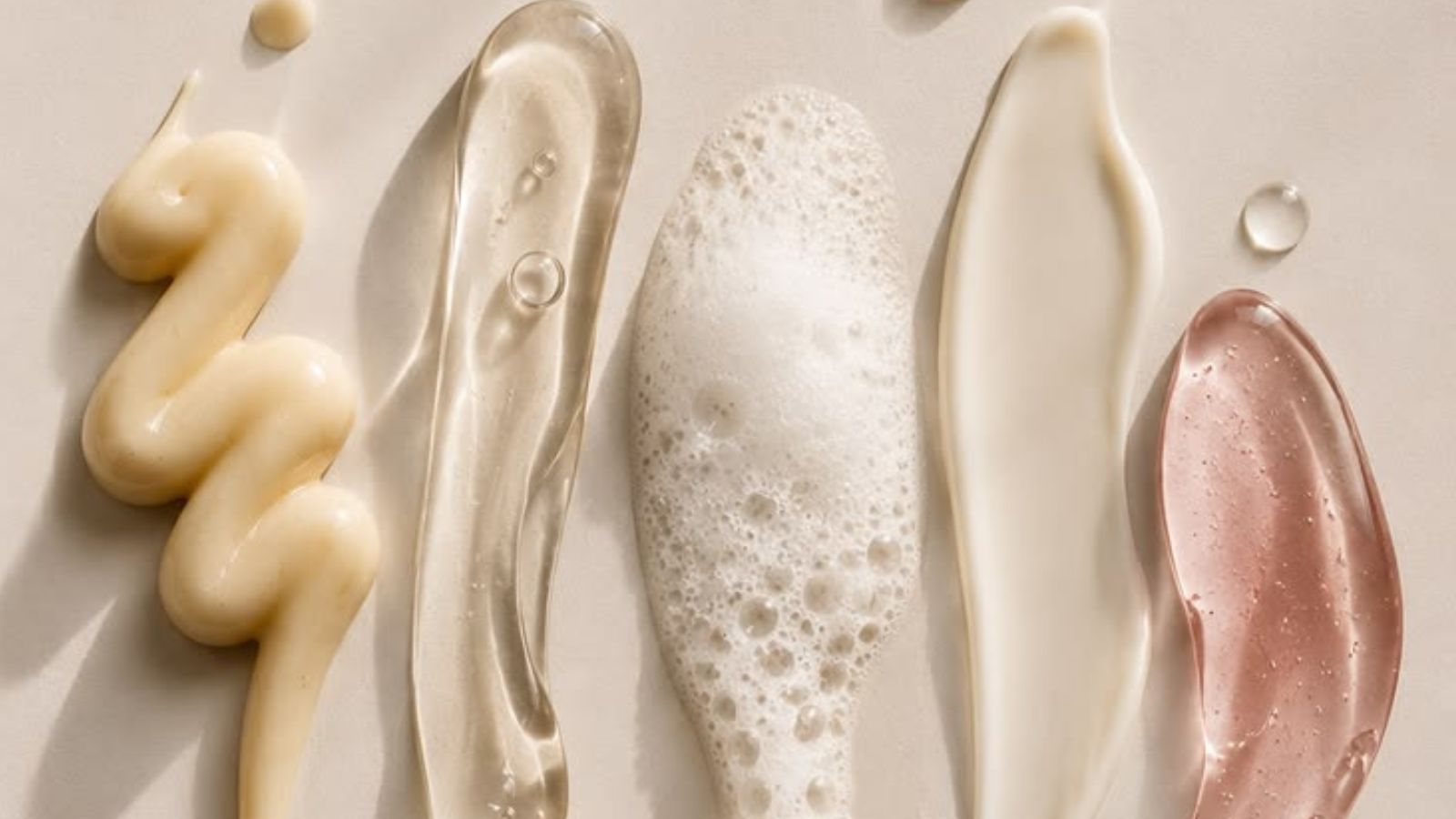
The beauty industry has poured years of investment into personalization technology — skin-diagnostic apps, AI-driven recommendations, hyper-personalized content — all built to understand the consumer better. Consumer research tells a different story. 72% say they feel overwhelmed by the volume of new product launches, and the fatigue seems to grow, paradoxically, the more precisely brands personalize. WGSN calls it the "Great Exhaustion," and notes it weighs disproportionately on Gen Z, younger Millennials, and women. Why does sharper personalization technology seem to leave people more tired, not less?
The problem is oversupply, not scarcity
72% of consumers feeling overwhelmed by new product volume contradicts an assumption the industry has held for years — that more choice and sharper recommendations automatically mean a better experience. Discovery, once the fun part of shopping, has become a source of fatigue. WGSN's Future Consumer 2026 report ties this exhaustion to broader pressure in consumers' lives — cost of living, economic uncertainty, geopolitical tension, climate anxiety — with 65% of respondents reporting burnout.
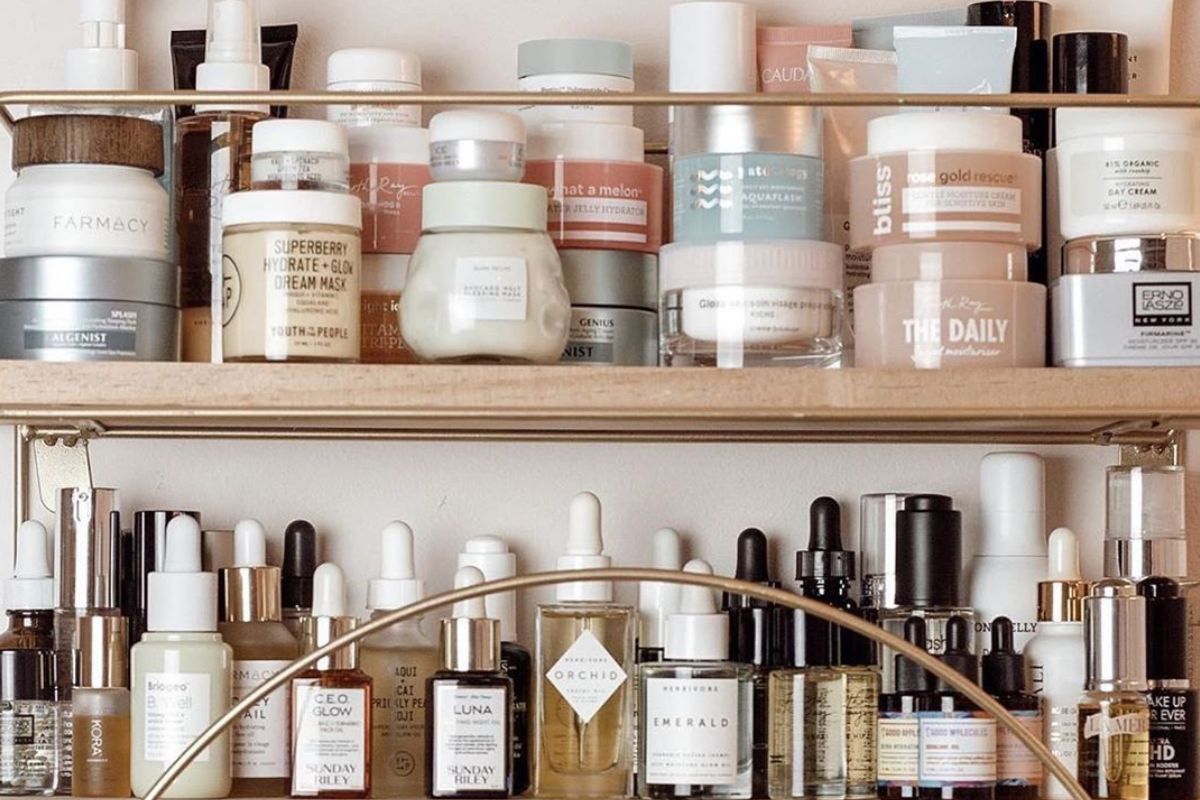
Algorithm fatigue isn't something a brand fixes by optimizing one channel. It's a spillover from consumers' broader life exhaustion into how they shop for beauty. The question shifts from how do we show more to how do we show less while still earning trust.
Consumers are answering with skinimalism
The response is clear: fewer steps, a return to purpose-driven, multifunctional products — skinimalism. It's no longer a passing trend but a baseline mindset. Instead of ten-step routines, consumers increasingly favor a small number of products with clear, proven, multifunctional benefits. It's the same instinct behind "beauty burnout" — people disengage the moment a routine starts to feel like a chore instead of self-care.
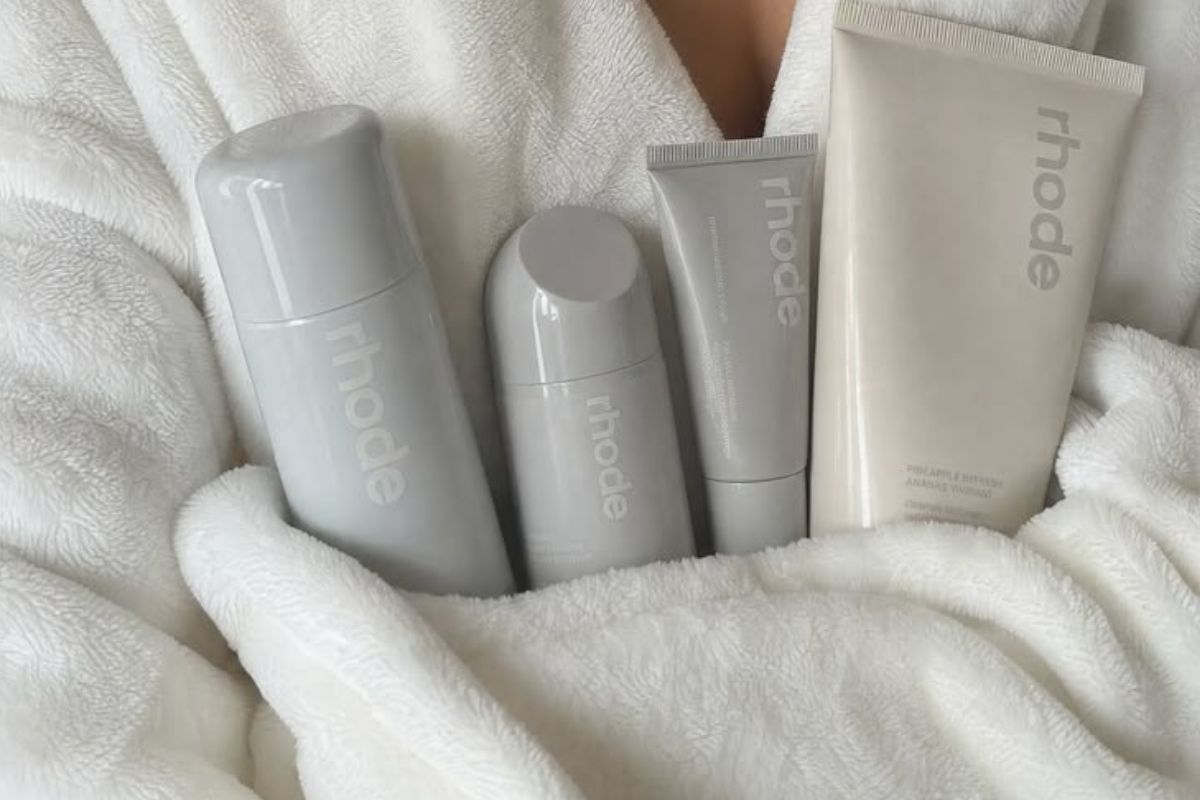
Accelerating launch cadence or expanding SKU count runs against where consumer sentiment sits right now. The brands earning trust are concentrating on a handful of core products and explaining, intelligently, why each one exists and how it supports skin health long-term. Re-explaining why the existing lineup matters should outrank expanding it.
What rebuilds trust isn't a smarter algorithm
KODEOK founder Lee Ji-yoon frames the shift precisely: the question needs to move from are we listing ingredients to are we proving the mechanism, and trust increasingly comes from expert verification — dermatologists, pharmacists, estheticians — and the real voices of brand employees, not one-way promotion from mega-influencers. Sulwhasoo's 60 years of ginseng research and its "Skin Longevity" campaign, and Shiseido's flagship stores blending digital tools with expert consultations and meditation pods, are both real examples of the principle at work.
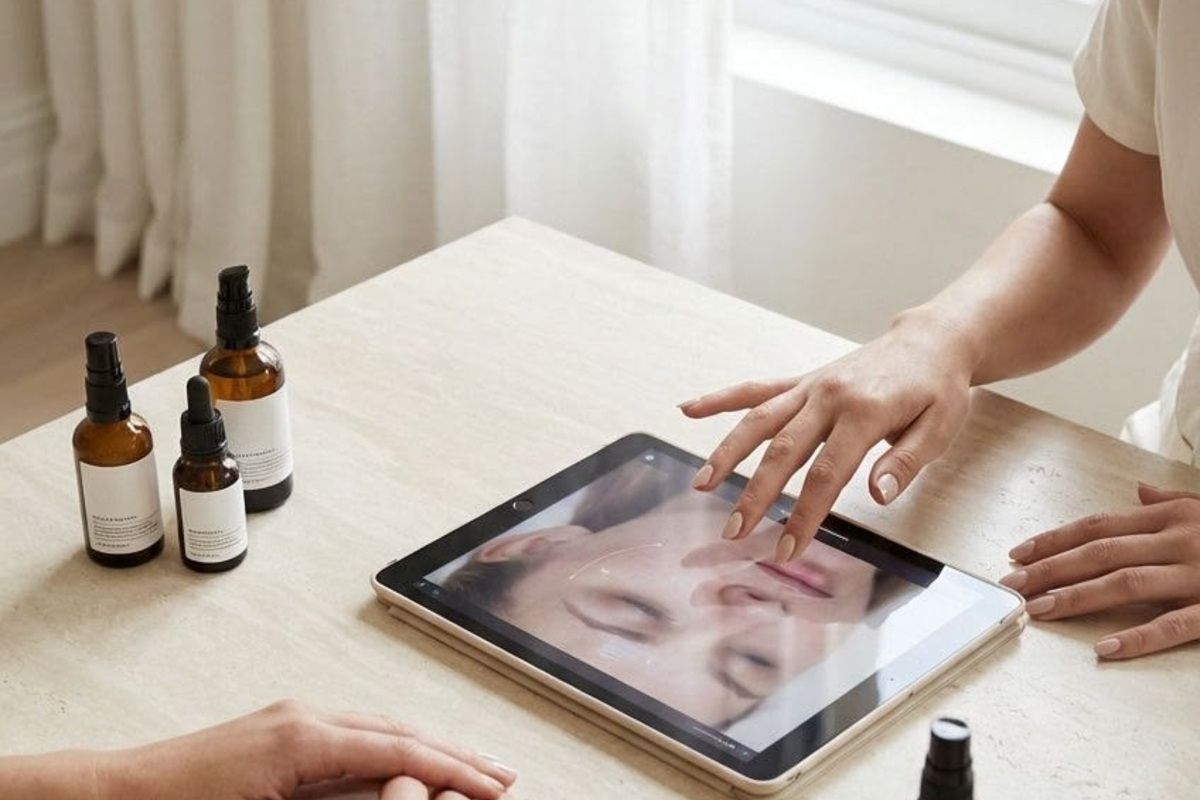
The trust-building strategy for the algorithm-fatigue era runs, somewhat counterintuitively, toward less technology and more people. Reallocating a slice of the personalization budget toward expert-verified content and real offline consultation is the more direct path back to consumer trust.
The direction of the industry's personalization investment wasn't wrong. But what consumers want right now runs closer to the opposite — not a more finely tuned recommendation, but a reason they don't have to buy more. Knowing your consumer better matters less right now than knowing they're already tired.
- Great Exhaustion — Future Consumer 2026 — WGSN
- Beauty trends 2026: Consumers demand 'skinimalism,' holistic wellness — Drug Store News
- WGSN Personas 2026: Beauty — WGSN
- Top Skincare Trends For 2026—And Those Losing Their Sizzle — Beauty Independent
- KODEOK(코덕)이 전망하는 2026 K 뷰티 생존 공식 — Syncly
- 럭셔리 뷰티의 진화와, 브랜드 진정성 전략 — Brunch